
Ajunta Pall’s journey begins long before the world knew him as the first Dark Lord of the Sith. Originally a well-respected Jedi, Ajunta showcased incredible promise and ambition within the Order. His capabilities and insights marked him as a rising star, setting him apart from his peers.
His life within the Jedi ranks was largely defined by his quest for deeper understanding and, sometimes, questioning the existing doctrines. The ambitious young Jedi wasn’t just following the path laid out for him; he was carving his own. This thirst for knowledge eventually placed him at the center of philosophical debates around the nature of the Force itself.
Everything changed during a pivotal period when debates within the Jedi Order turned intense. Ajunta wasn’t just a bystander—his role was critical in these discussions that ultimately cultivated discord among members. He contributed groundbreaking theories on harnessing the Force’s power, challenging traditional boundaries and making older generations uneasy.
The eventual shift towards the dark side was not overnight. Following years of ideological clashes, Ajunta Pall and his followers orchestrated a rebellion that fundamentally changed the landscape of the galaxy’s Force-sensitive community. The schism was profound, birthing the Sith as a new entity distinct from the Jedi Order, with Ajunta as its reigning force.
This rebellion marked a monumental shift, showcasing how deeply-held beliefs and relentless pursuit of knowledge could catalyze monumental change. Ajunta Pall’s decision to establish the Sith Order was both a personal metamorphosis and a pivotal moment for the galactic lore, laying foundations that even millennia later, ripple through the chronicles of Star Wars.
Ajunta Pall’s Philosophy on the Force
Ajunta Pall wasn’t just about power for power’s sake; his understanding of the Force went deeper than that. For him, it was about unlocking potential and exploring the limits of what could be achieved with this mysterious energy that binds the universe.
While the Jedi saw the Force as a means of balance and harmony, Pall viewed it as untapped potential waiting to be harnessed for greater feats. His teachings on the dark side weren’t merely about temptation and aggression, but about unlocking hidden capabilities and knowledge. Ajunta believed that embracing every aspect of the Force—light and dark—could lead to enlightenment and personal growth.
The split from the Jedi wasn’t just a matter of ideology; it was born from a fundamental disagreement about the Force and its uses. Pall argued that the path of self-restraint and dogmatic adherence to tradition limited the Jedi. His split from the Order was as much about exploring forbidden power as it was about intellectual liberation. The Jedi path seemed too confining, a restriction he and his followers could no longer abide by.
His philosophies didn’t fade after his time—they became the bedrock of Sith teachings. Many future Sith Lords found inspiration in his desire to embrace the full spectrum of the Force, unafraid to push boundaries and explore power dynamics. This philosophical shift allowed Sith practices to evolve and permeate through the ages, expanding beyond simple villainy.
Pall’s approach was transformative not just in terms of raw power, but in shaping how followers of the dark side justified their actions. Today, his teachings offer insights into complex moral debates about power, freedom, and responsibility, showing that sometimes the path less traveled holds the most potential for growth. This philosophical legacy continues to ignite debates among scholars and fans alike over the nature of power and destiny in the Star Wars universe.
The Legacy of the Dark Lord: Ajunta Pall’s Impact on the Galaxy
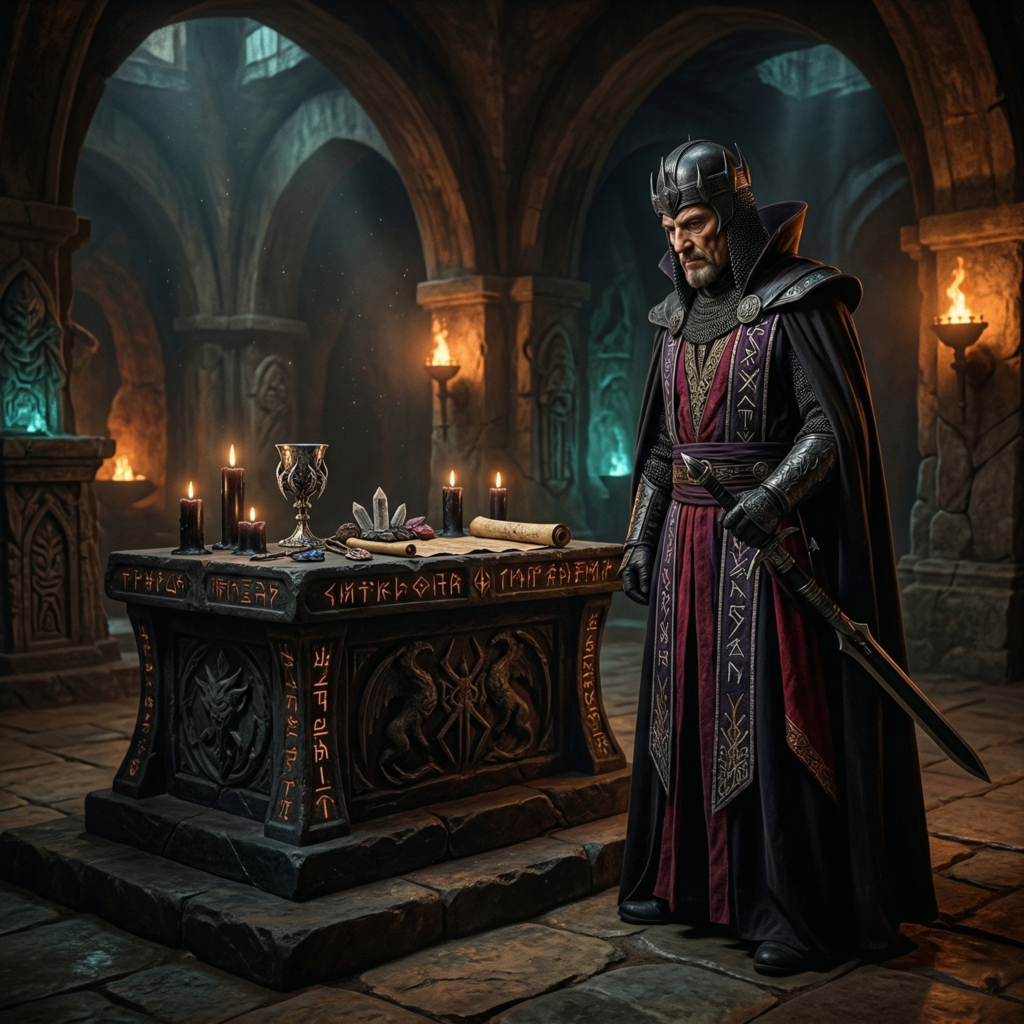
Ajunta Pall didn’t just disappear into obscurity after founding the Sith Order. His legacy left durable marks on the galaxy’s political and cultural fabric. Establishing the Sith was more than just creating an opposition to Jedi ideals; it was about planting a seed that would grow into a complex network of beliefs, tactics, and traditions.
The formation of the Sith dramatically shifted galactic politics at the time. With Ajunta’s leadership, the Sith structured themselves with a governance style that was both challenging to the Jedi and threatening to peacekeepers across the galaxy. Sith influence spread like wildfire, their power garnished through a dangerous yet effective blend of organization and mystique.
Artifacts from Ajunta’s era carried an aura of dark allure. His personal creations, rituals, and weapons bedazzle historians and curators to this day. Sith artifacts, imbued with the power and history Ajunta symbolized, sparked quests and stories that are still told. They are physical symbols of his intangible legacy, gateways to understanding the broader narrative of his life.
Perhaps most importantly, Ajunta Pall’s actions and philosophies governed the future trajectories of the Sith and Jedi conflicts. His story is not just a tale of one man’s transformation; it is a narrative about power and ideology struggles that echo throughout galactic history.
Future Sith Lords often cited Pall’s daring and unconventional path as inspiration. Even Jedi recognized the importance of Pall’s impact when forming strategies and understanding the ethos of their adversaries. His legacy is a testament to how significant one individual’s philosophical and strategic shifts can alter a galaxy indefinitely, encouraging us to reflect on the broader forces at play in our own world’s history and conflicts.
Rediscovery and Modern Interpretations of Ajunta Pall
Ajunta Pall’s influence did not end with the Sith Order’s early days. Archaeologists and historians have long sought the remnants of Pall’s era, uncovering his tomb in an epic rediscovery that shed new light on ancient Sith practices. This rediscovery added layers to our understanding of the Sith and challenged preconceived notions of their origins.
The tomb’s discovery reignited interest in Pall’s life and the broader context of his impact. Artifacts revealed there further confirmed the tales of his power, decision-making, and philosophies, eternally intertwining his legacy with the narrative of both the fictional and the academic. His fate and resting place, long shrouded in mystery, became focal points for storytelling, both scholarly and fictional.
Ajunta Pall’s image permeates popular culture, leaving a notable mark on the Star Wars universe. Multiple adaptations in games, books, and comics explore his persona, each interpreting his character in unique ways. These interpretations allow fans to engage with his story on different levels, crafting a multifaceted image of this dark lord.
Philosophers and writers dissect his legacy in their discussions about the use of power, ambition, and morality. Ajunta Pall’s fall from Jedi to Sith resonates deeply with timeless themes of fallibility and redemption. His tale remains relevant as it speaks to humankind’s age-old quest between light and dark, order and chaos.
Modern dialogues bring to light Pall’s audacity and challenge the archetypes of hero and villain, urging us to question our definitions of right and wrong. His life, in many ways, mirrors the complex human journey through temptation and ideology, making him a lasting touchstone within the broader philosophical discourse.