
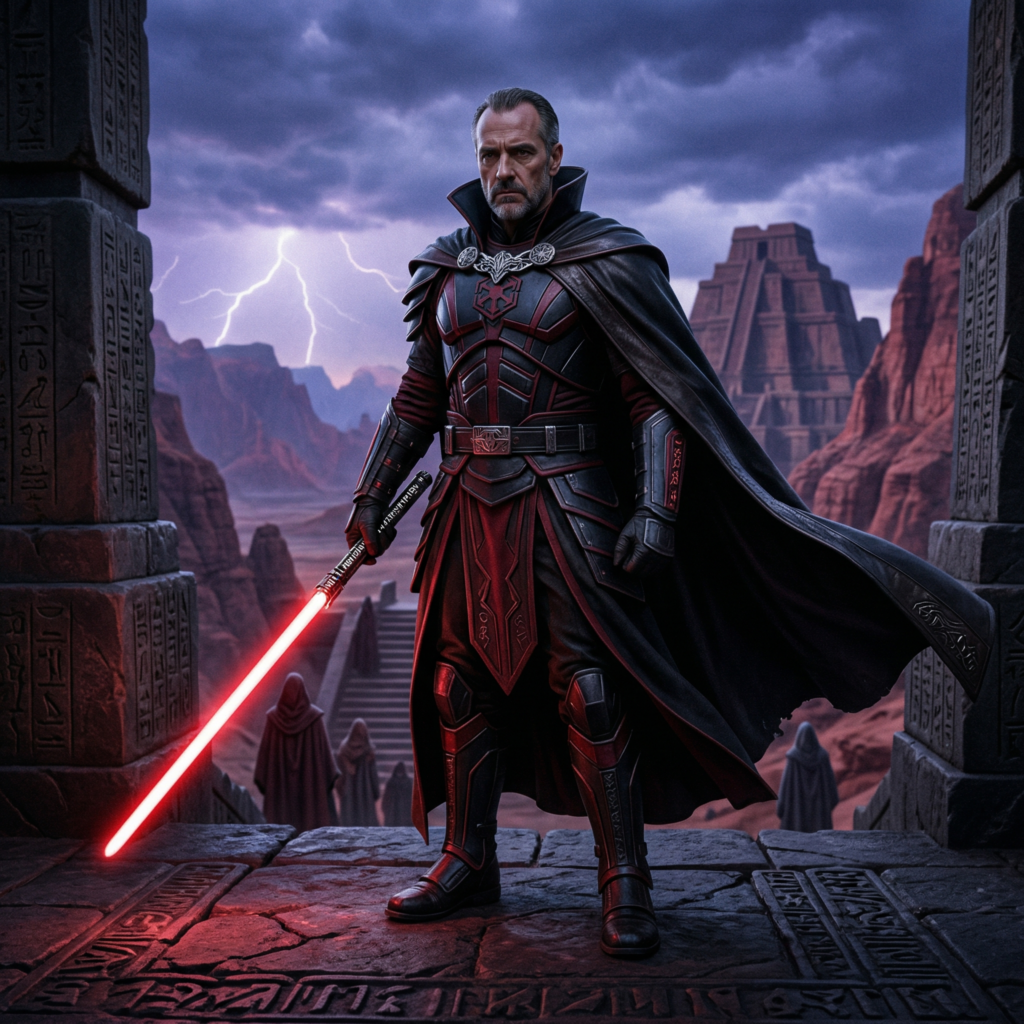
Ajunta Pall’s story is like a puzzle wrapped in the mysteries of an ancient and fierce time when the Sith Empire was sprawling across worlds. We’re talking about a time when power was more than just a show; it was a way of life. The Sith Empire, ruthless yet deeply fascinating, was a civilization built on the philosophies and the practices of the Dark Side of the Force. Against this backdrop, Pall didn’t just navigate the tides — he created them. His rise wasn’t by accident. He thrived in the tension between learning and leading, blending intellect with sheer will.
Often portrayed as a master of ancient Sith alchemy, Pall turned arcane knowledge into tangible strength.
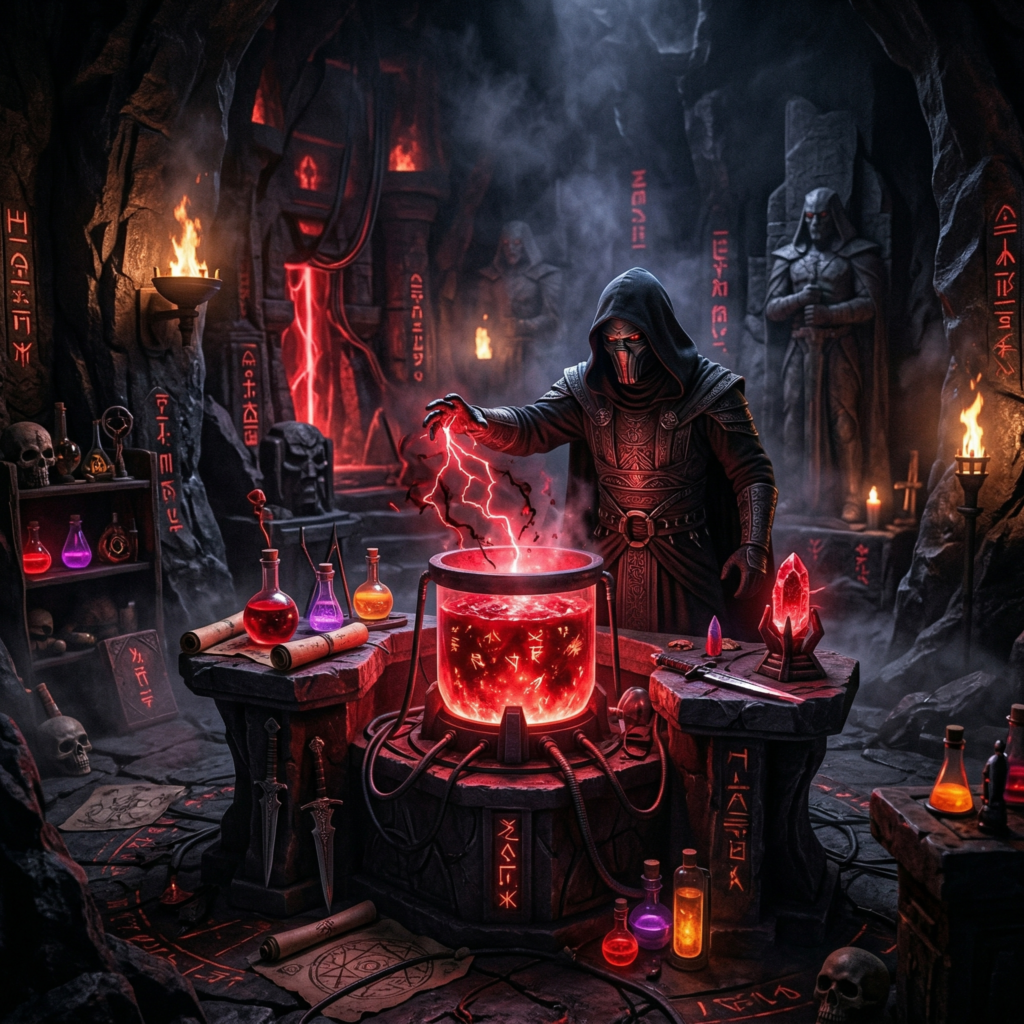
This mastery wasn’t just limited to wielding the Dark Side but also innovating with its raw potential. Molding Sith alchemy to serve his purposes, he laid the groundwork for generations of Sith to come. Anyone curious about the allure of the Dark Side would do well to study how Pall shaped it to his advantage, using not just physical prowess but a mind that was sharp and dangerous.
Ajunta Pall’s ascent to become the first Dark Lord of the Sith started with fearless ambition, paired with a profound understanding of both people and powers surrounding him. Imagine a society where control and dominance defined stature, and Pall stood atop by virtue of his vision, determination, and unabashed pursuit of ultimate power. It’s a lesson in leadership with just a hint of darkness — an assertive guide through the chaotic dance of dominance and submission that marked his era.
Ajunta wasn’t just a loner in power. His band of apprentices underlined his belief in the distribution of knowledge. Through them, Pall’s legacy was more than something written in the sands; it was living and evolving. His teachings weren’t just lessons but blueprints for future Sith, stretching his influence across generations. For those who reflect on influence — on how leaders teach the next generation — Pall offers rich insights. His disciples echoed not his shadows, but his depth and complexity.
Then comes the enigma of his eventual fall and strange redemption. A character so embedded in darkness finding the light in his final days is one for deep reflection. Set against the haunting backdrop of Korriban, his resting place symbolizes both his grandeur and his regrets. That duality plays a big role in understanding the complexities of power and consequence.
Culturally, Ajunta Pall’s story threads through games, stories, and fierce debates among enthusiasts. His legend—his life, his power, his losses—continues to be a raw, fascinating topic in Sith lore. The intrigue here is about how a figure from such an ancient past holds sway over imaginations today, linking generations through tales of ambition, conflict, and, sometimes, redemption.
What about those lingering myths, you ask? They mix fact with fiction, embellishing his narrative. While some tales amplify his powers or downplay his struggles, reconciling these is part of the allure. Disentangling myths from truths reflects the challenge in understanding any historic figure, especially one as pivotal and elusive as Ajunta Pall.